
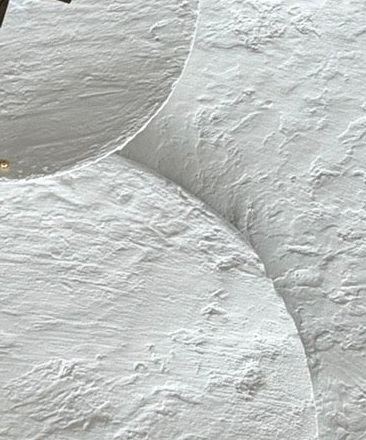
A Practical Guide for Modern Interiors
When it comes to 3D wall sculptures, the finish is just as important as the form. The right paint doesn’t just add colour, it defines texture, durability, and how the piece interacts with light in your space.
Whether you're commissioning a custom piece or selecting a ready-made work, understanding which paint works best for sculptural wall art can help you make a more informed (and long-lasting) choice.
Why Paint Choice Matters for 3D Wall Art
Unlike flat artwork, 3D wall sculptures are exposed to:
-
shifting light throughout the day
-
physical handling during installation and transport
-
subtle surface shadows that highlight imperfections
That means the paint needs to be:
-
durable
-
consistent in finish
-
suited to textured surfaces
The Most Reliable Paint Types for Wall Sculptures
For most modern sculptural work, I prioritise high-quality architectural paints — they’re designed to last, and they perform beautifully on textured surfaces.
Premium Paint Brands That Work Well
Some of the most reliable options include:
-
Dulux — known for its durability and consistent finish
-
Porter's Paints — offers rich, artisan-style finishes with depth
-
Resene — excellent colour range and strong performance
These paints are ideal because they:
-
resist scuffing better than many alternatives
-
maintain colour integrity over time
-
work well across sculptural textures without pooling or streaking
👉 In short: they’re dependable, especially for custom wall sculptures that need to last.
Metallic Finishes: Beautiful, But Tricky
Metallic spray finishes are undeniably striking. They can elevate a piece instantly, especially in modern or high-end interiors.
However, there are a few important trade-offs:
-
They can scratch during transit or installation
-
Adding a protective top coat often reduces the metallic lustre
-
On larger sculptures, cost can increase significantly due to material and labour
Because of this, metallics are best used when:
-
the piece will be installed in a low-contact area
-
the client understands the maintenance considerations
-
the finish is essential to the design vision
👉 When quoting custom pieces, these factors are always considered to balance aesthetics, durability, and cost.
Choosing the Right Colour for Your Space (Interior Designer Tips)
This is where most people either nail it — or completely miss.
As an interior designer, here’s how I approach colour selection for 3D wall art in modern interiors:
1. Work With Your Existing Palette
Look at your:
-
walls
-
furniture
-
flooring
Your sculpture should either:
-
blend harmoniously, or
-
contrast intentionally
Avoid accidental “almost matches” — they tend to look off.
2. Consider Light and Shadow
Because 3D sculptures interact with light:
-
lighter colours emphasise softness and form
-
darker tones create drama and depth
👉 In bright spaces, subtle tones can look incredible.
👉 In dim spaces, deeper colours often perform better.
3. Think About Scale
Large wall sculptures:
-
can handle bolder or darker colours
-
become a focal point
Smaller pieces:
-
often benefit from softer tones to avoid feeling heavy
4. Matte vs Satin vs Gloss
-
Matte: best for modern, minimal interiors
-
Satin: adds a slight lift without glare
-
Gloss: rarely used — can overpower texture
For most sculptural work, matte or low-sheen finishes give the most refined result.
The Reality of Custom Sculpture Finishes
Every custom piece involves balancing:
-
visual impact
-
durability
-
cost
-
transport considerations
Paint selection isn’t just about colour — it’s about how the piece will live in your space over time.
That’s why, when quoting custom work, all of these factors are taken into account to ensure the final piece is not only beautiful, but also practical and long-lasting.
Final Thoughts
Choosing the right paint for 3D wall sculptures is a mix of art and practicality.
-
Architectural paints like Dulux, Porter's, and Resene offer reliability
-
Metallic finishes can be stunning, but come with trade-offs
-
Colour should always be chosen in context, not isolation
If done right, the finish won’t just complement the sculpture — it will elevate the entire room.
If you're considering a custom piece and aren’t sure where to start, it’s always worth thinking about how the material, finish, and space all work together, that’s where the magic really happens. As always, you can reach out to me and we can discuss it all together!
Ready to make your FORMR wall sculpture? Visit here to fill in the form to start from scratch.
C x